

The Thrill of Gambling: An Introduction to Player Motivation
The allure of casino games lies not just in the potential for monetary gain but also in the psychological rush they provide. Many players are drawn to the vibrant atmosphere of casinos, where the combination of lights, sounds, and excitement creates an exhilarating environment. For those who enjoy a diverse gaming experience, finding the best non gamstop casino uk can enhance this thrill, often amplified by the unpredictability of outcomes, making each game an adventure. For many, the emotional highs and lows associated with gambling are as intoxicating as the chance to win big.
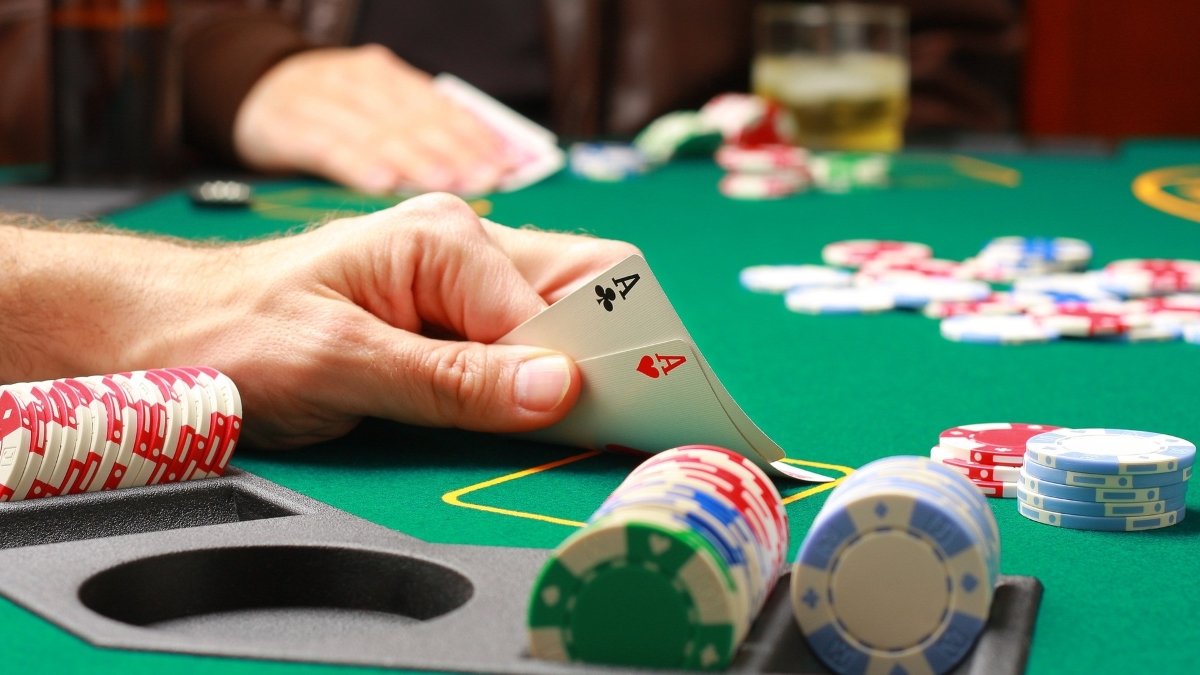
Moreover, the psychology of gambling is deeply intertwined with the concept of risk-taking. Players often engage in games that offer high levels of risk, as this can lead to higher rewards. However, this behavior can be influenced by various factors, including personal experiences and social influences. The desire to escape from reality or relieve stress is another significant motivator that drives individuals to gamble, as they seek the temporary distraction it offers.
The Role of Cognitive Biases in Gambling Behavior
Cognitive biases play a crucial role in how gamblers perceive their chances of winning and losing. One common bias is the illusion of control, where players believe they can influence the outcome of a game through their skill or decisions, despite the inherent randomness involved. This false sense of empowerment can lead to overconfidence and encourage continued gambling, even when losses accumulate.
Another cognitive distortion is the gambler’s fallacy, where individuals mistakenly believe that past outcomes will influence future results. For instance, if a player has lost several times in a row, they may feel that a win is “due.” Understanding these biases can help players recognize their flawed thinking patterns and make more informed decisions regarding their gambling behaviors.
The Impact of Social Factors on Gambling Choices
Social interactions significantly shape player behavior in casinos. Social gambling often creates a sense of community, where individuals share experiences and emotions, enhancing the overall enjoyment of the activity. Many players enjoy the camaraderie that comes with gambling, whether it’s cheering for a friend during a game or sharing strategies over drinks.
Moreover, the presence of fellow gamblers can influence an individual’s betting patterns. Social proof—a psychological phenomenon where individuals mimic the actions of others—can lead players to adopt riskier behaviors if they see others winning or taking larger bets. Understanding this social dynamic can help explain why certain players may continue gambling, even when it might not be in their best interest.
The Psychology of Winning and Losing in Casino Games
Winning and losing in casino games triggers complex psychological responses. The euphoric feeling associated with a win can lead to an increased desire to continue playing, often known as the “winning streak effect.” This psychological phenomenon can override logical thinking, as players chase the high of their last success, sometimes resulting in impulsive decisions and significant losses.
Conversely, the emotional toll of losing can lead to risky behavior as players attempt to recoup their losses. This “chasing losses” mentality can perpetuate a cycle of gambling that may be difficult to break. Recognizing these patterns can empower players to make healthier choices and manage their gambling habits more effectively.

Ensuring a Safe Gambling Environment: A Focus on Security
As the allure of casino games continues to attract players, it is essential to prioritize safety and security in the gambling environment. Understanding the psychological aspects of gambling behavior can help in developing measures that protect both players and casino operators. By addressing potential risks associated with gambling, casinos can create a safer atmosphere where players can enjoy their experience without unnecessary threats.
Additionally, players should be educated on how to recognize harmful gambling behaviors and the importance of setting limits. By fostering an environment where safety is a priority, both casinos and players can work together to ensure a more enjoyable and responsible gambling experience, reinforcing the importance of security measures in the online and physical gambling spaces.